The data economy is the part of the economy built on collecting, analyzing, and using data, especially personal data. Every time you use a website, phone app, or smart device, information about what you do, where you go, and what you like can be turned into data. Companies use this data to improve services, target ads, or sell insights to other businesses.
Surveillance capitalism is a term for the way some companies make money by watching what people do online and using that information to predict, and sometimes influence, their future behaviour. For example, social media or shopping sites may track your clicks and interests to show you personalised ads or suggest things to buy. The concern is that users often don’t fully understand how much data is collected or how it’s used to shape their choices.
It might seem harmless, but large-scale data collection can affect your privacy, security, and even your freedom to make choices. Once your data is collected, it can be shared, sold, or combined with other information to build a detailed profile of you, including your habits, interests, or even mood. This profile can be used to target ads, adjust prices, or influence what content you see online. You might lose control over how your information is used or who has access to it.
That’s partly true: “free” online services often earn money by collecting and using your data instead of charging you directly. But many people don’t realize how much data they’re giving away or what it’s being used for. It’s not just what you type or click; it’s also your location, browsing habits, and device information. The problem isn’t data sharing itself, it’s the lack of transparency and real choice for users.
Some of the biggest risks include:
Loss of privacy – your personal life can be tracked and analysed without your clear consent.
Manipulation – ads, content, or recommendations may be designed to influence your decisions.
Data breaches – when companies store huge amounts of personal data, hackers may target it.
Discrimination – algorithms may treat people differently based on their data profiles.
Overall, it’s about losing control over who knows what about you and how that information is used.
You can take some simple steps:
Adjust privacy settings on your apps, browsers, and social media.
Use strong, unique passwords and enable two-factor authentication.
Limit how much personal information you share online.
Use browsers or extensions that block tracking cookies and ads.
Read app permissions before downloading and don’t give access to data they don’t need.
Whenever possible, choose services that respect privacy and don’t rely heavily on tracking.
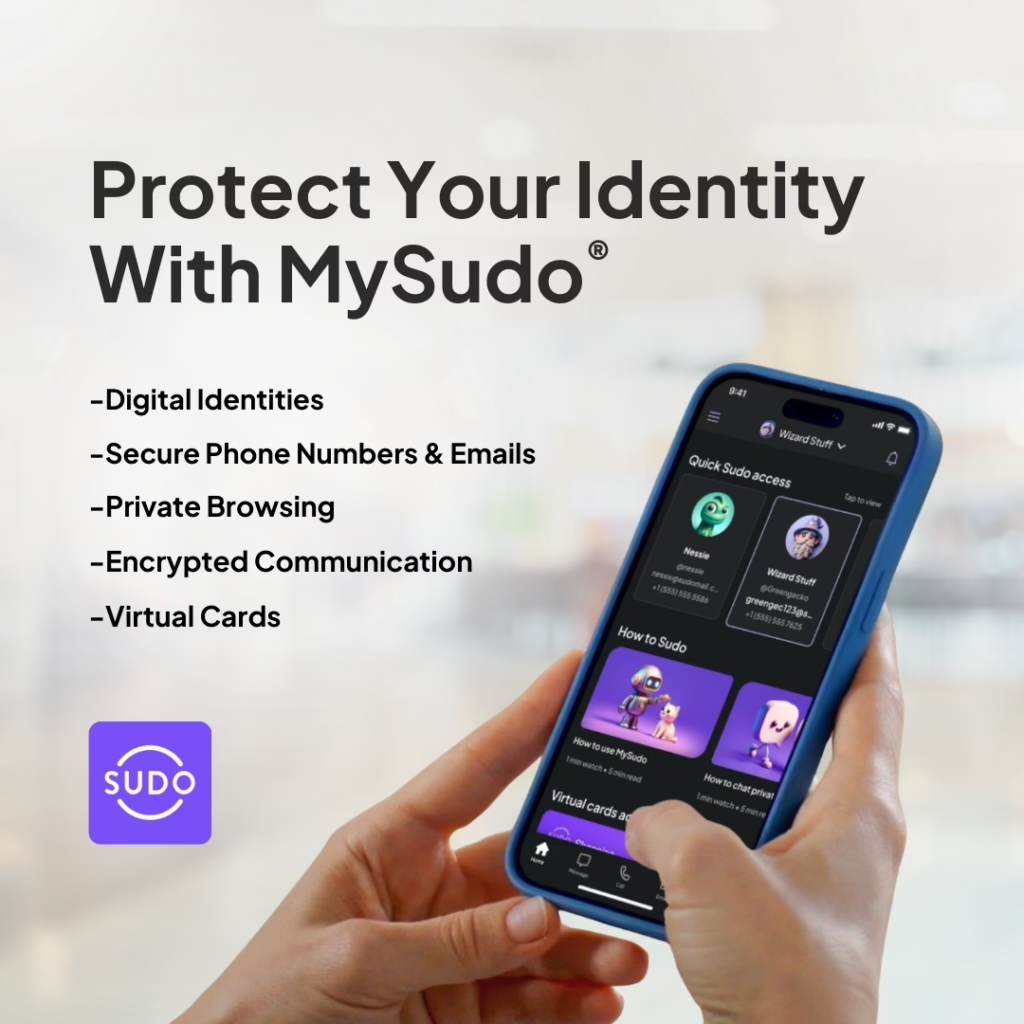
Check out the MySudo suite of privacy apps.
Even small changes in your online habits can make a big difference in protecting your personal data.