Personal data or personally identifiable information (PII) is any information that can identify you, either directly or indirectly. This includes obvious details like your name, email address, or driver’s licence number, as well as less direct identifiers such as your date of birth, location data, or online activity that can be linked back to you.
Most online services collect personal data to improve user experience, provide personalized content, or deliver targeted advertising. Some data is essential (for example, an email address for account access) while other data helps companies analyze user behaviour, tailor recommendations, or generate advertising revenue.
Oversharing can make you more vulnerable to identity theft, scams, phishing, or unwanted surveillance. Even seemingly harmless details like a birthday post or location tag can help bad actors piece together your identity or gain access to your accounts.
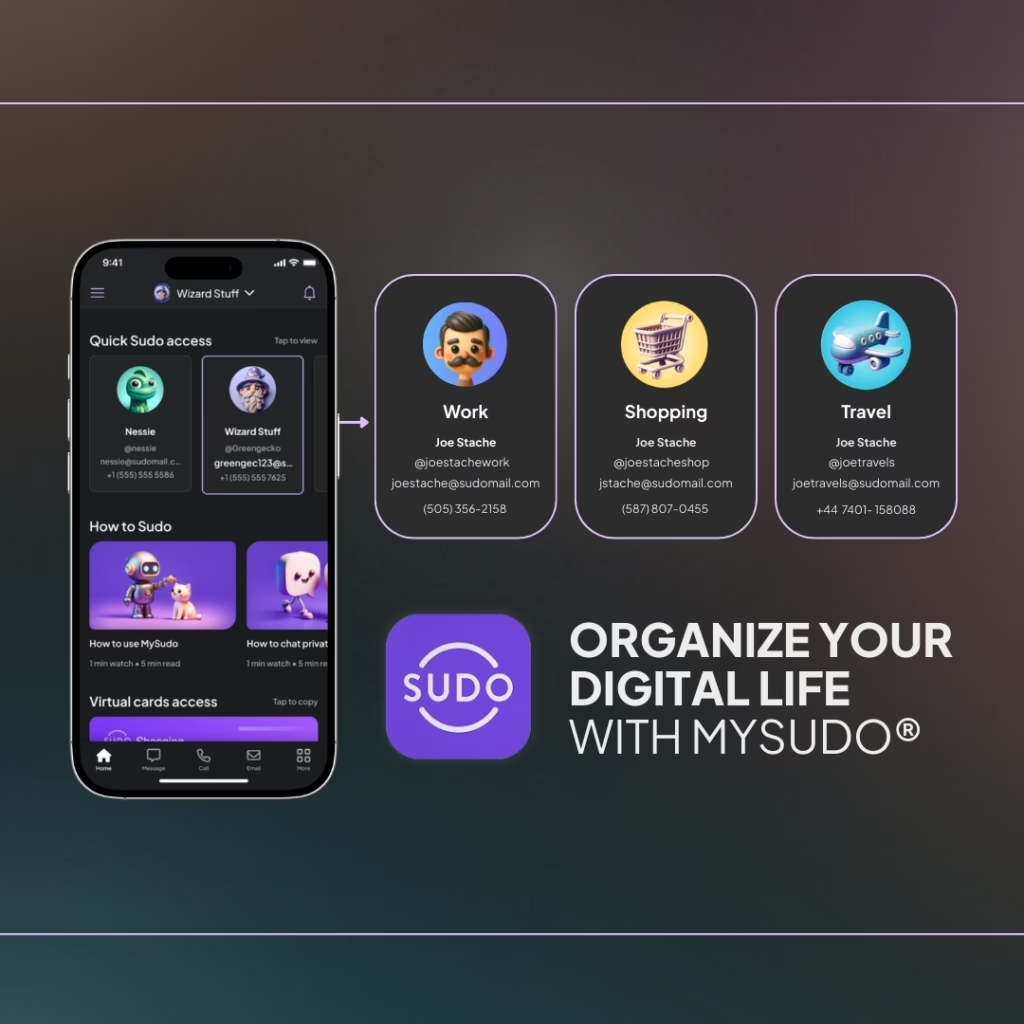
You can reduce risks by using strong, unique passwords, enabling two-factor authentication (2FA), and reviewing privacy settings on social media and apps. Avoid sharing unnecessary personal details, especially on public platforms, and be cautious about clicking on links or accepting cookies on unfamiliar websites. Use privacy tools like MySudo® and MySudo Reclaim.
Depending on where you live, privacy laws like the GDPR (in the EU) or CCPA (in California) may give you rights to access, correct, delete, or limit how your personal data is used. Many other countries have similar laws that emphasize consent, transparency, and accountability in how organizations handle your information.
From our blog:
What constitutes personally identifiable information or PII?
14 real-life examples of personal data you want to keep private
The top 10 ways bad actors use your stolen personal information
What should I do if I’ve been caught in a data breach?
How MySudo keeps you safe on social media even in a data breach