Think about this: given the extent of the global data privacy crisis, your personal phone number and email address are probably already compromised beyond repair. It’s an interesting thought, isn’t it?
To get the idea, you’ve only got to look at how you use your personal information online, and what happens to your data once you’ve entered it into to a web site or service.
If you’re like most people, you’ve got many online accounts. And again, if you’re like most people, you access each of those accounts using the same personal information (phone number, email address, even password). Now all your accounts are linked together by these common details, and your phone number and email address have become a ubiquitous part of your digital exhaust.
From there, it’s alarmingly easy for data brokers to track you across sites and services and collect your full set of personally identifiable information (PII), which is any data that can be used to identify you. Your PII can divulge highly sensitive information about you, such as your medical history and personal finance, and can be stored indefinitely, sold to other organizations, or exposed through a data breach. In 2019 alone, 15.1 billion records were exposed through reported data breaches, some coming from global brands.
Data broking and cybercrime are happening constantly—for example, a single firm holds 80% of American emailaddresses, and account takeover fraud was up 79% in 2019.
It’s incredibly likely then that the private phone number and email address you use to access all your online accounts (not to mention the residential address and credit card details you give when you shop online, or your everyday browsing history and social media content) are now ‘out there’, compromised, and no longer private at all.
From this perspective, Sudos—customizable digital identities that intentionally differentiate from your legal identity and mitigate the risk to your highly sensitive PII—present a second chance for your digital privacy, and a fresh start at digital life.
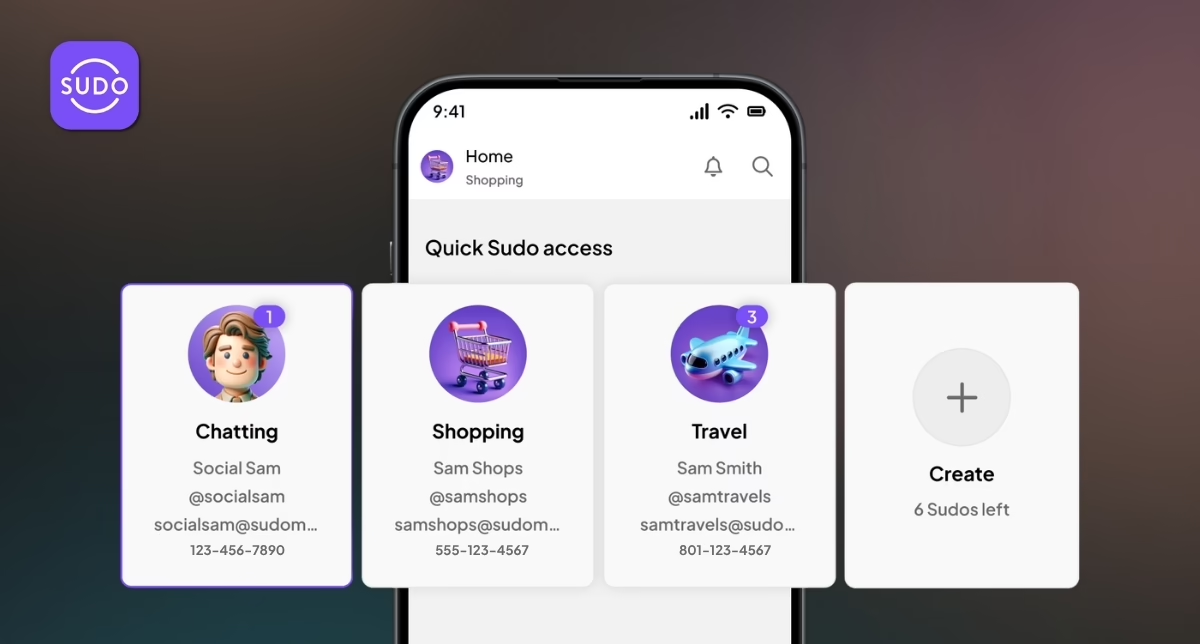
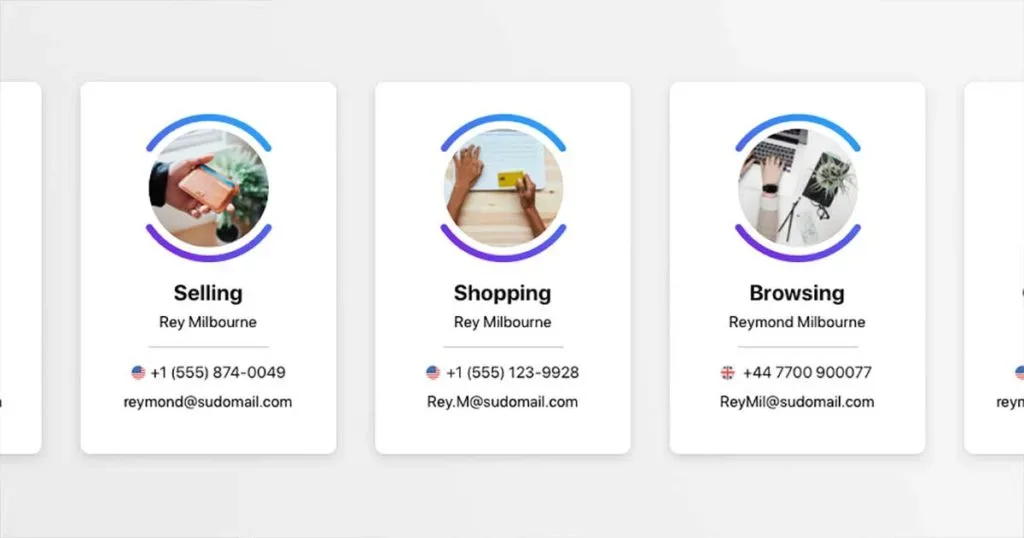
Using the MySudo app, you can quickly create up to nine different Sudos and use them in any context (e.g. for shopping, selling on classifieds, booking travel). You assign each Sudo its own set of attributes and associated capabilities: name, phone number, address, email address, virtual card for secure shopping, browser profile (all your bookmarks and any cookies that sites set are compartmentalized to the browsing Sudo), notification settings for phone, email and message, contacts and more.
Sudos are a useful life tool. Because, the thing is, personal privacy is never perfect. Each of us can only do our best to protect our privacy with the available hours we have in our day. Any step we can take towards protecting our personal data is a positive step. If you’ve been the victim of a data breach or other cybercrime, you can’t really change what’s happened.
The better plan is to opt for a fresh start. Create Sudos using new phone numbers and email addresses (or more) and seize your second chance.
Download MySudo app.