Every time you browse the internet, use a smartphone app, swipe a credit card, or strap on a smartwatch, you leave behind a trail of personal data. This digital footprint reveals where you go, what you buy, who you talk to, and even insights about your health and habits. Over time, that information is collected, analyzed, and often sold—frequently without your clear awareness.
That reality can feel overwhelming. But it doesn’t have to be.
Each year, Data Privacy Day on January 28—now expanded into Data Privacy Week—serves as a reminder that privacy is not out of reach. Data Privacy Day marks the anniversary of Convention 108, the first legally binding international treaty focused on privacy and data protection. Today, the message has grown broader and more urgent: protecting personal information is essential to safety, trust, and personal autonomy.
The theme behind Data Privacy Week is simple and empowering: take control of your data.
Why protecting personal information matters
Protecting your personal information online is about more than avoiding spam emails or annoying ads. It plays a direct role in your financial security, personal safety, and peace of mind.
When personal data falls into the wrong hands, it can lead to:
1. Identity theft
Bad actors can use stolen information like Social Security numbers, addresses, or account details can be used to impersonate you, open fraudulent accounts, or take out loans in your name.
2. Financial harm
Sharing sensitive financial details can lead to unauthorized access to banking or payment information can result in lost funds, damaged credit, and long-term recovery challenges.
3. Loss of privacy
Oversharing or data exposure can make you vulnerable to stalking, harassment, or unwanted contact—sometimes escalating into physical or emotional harm.
4. Social engineering attacks
The more data criminals have, the easier it is to launch convincing phishing scams, impersonation attempts, or deepfake-based fraud.
5. Reputational damage
Personal or professional information taken out of context can impact careers, relationships, and credibility.
6. Unwanted targeting
Personal data is frequently used for profiling, behavioral tracking, and targeted advertising. In some cases, even financial institutions and service providers may sell customer data to third parties.
Protecting your information reduces risk and helps you stay in control of how your identity is used.
Understanding your digital footprint
Your digital footprint includes far more than what you consciously share online. Apps, devices, websites, and services collect data constantly, often in the background.
A fitness app may gather health and activity data. A navigation app logs location history. Browsers and websites track behavior across the internet. Over time, these data points are combined to build detailed profiles that can reveal demographic information, spending habits, interests, and even inferred beliefs.
While you can’t prevent all data collection—certain information is required for essential services—you do have rights and options. Through informed decisions and repeatable habits, you can limit unnecessary exposure and regain a measure of control.
Four practical steps you can take right now
Data Privacy Week is about action, not perfection. You don’t need to overhaul your entire digital life overnight. Small, intentional steps can make a meaningful difference.

1. Follow some privacy and security fundamentals:
- Use strong, unique passwords for each account. Store them securely in a password manager.
- Enable two-factor authentication (2FA).
- Don’t share sensitive details on public platforms or unsecured websites.
- Keep your software and devices updated.
- Be cautious of phishing emails, links, and attachments.
- Regularly review your privacy settings on social media.
- Know what to do in the event of a data breach.

2. Use the MySudo privacy app to protect your information.
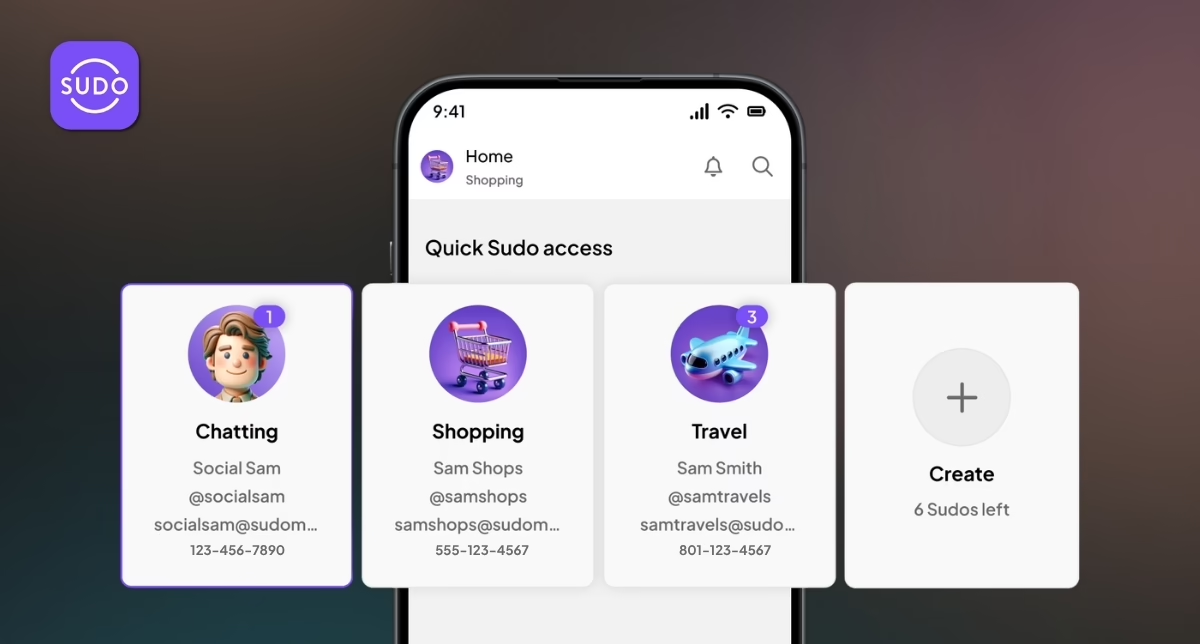
Anywhere you’d normally use your phone number, email or credit card, use Sudos instead. Sudos are secure digital identities with their own name, phone, email and virtual card. Use your Sudos to sign up for deals and discounts, book rental cars and hotel rooms, pay for concerts or a coffee, all without giving away your personal information.

3. Reclaim your information with MySudo Reclaim
See who has your information, discover whether it’s been caught in a data breach, and then either ask the company to delete it or substitute it for your Sudo information using MySudo. MySudo Reclaim is a privacy inbox scanner that is apart of the MySudo Suite.

4. Protect your online activity with MySudo VPN
For added protection, encrypt your internet connection and hide your IP address with MySudo VPN, the only VPN engineered to work seamlessly with the MySudo ecosystem and designed with privacy at its core.
Privacy is also about safety
For some people, privacy is not just a preference, it is a necessity.
Survivors of domestic violence, stalking, and online harassment face real-world risks when personal information is exposed. Teachers, foster parents, and others who interact with large or unfamiliar groups also need stronger boundaries between their public roles and private lives.
The Sudo Safe Initiative, created by Anonyome Labs, focuses on using privacy as a tool for safety. Through MySudo, individuals can communicate and operate online without revealing personal contact details, making it harder for bad actors to track, harass, or locate them. By separating personal identity from public interactions, Sudos help prevent threats before they arise.
Build trust for individuals and businesses
Data Privacy Week is not just for individuals. For organizations, respecting privacy is a powerful trust signal.
Customers are more likely to remain loyal to brands that are transparent about data collection and committed to protecting personal information. Treating privacy as a core value—rather than a compliance burden—strengthens reputation, relationships, and long-term growth.
Get involved with Data Privacy Week
Data Privacy Week is an opportunity to move beyond awareness and into action.
- Become a Data Privacy Champion: Join the National Cybersecurity Alliance’s global effort to empower individuals and encourage responsible data practices. Participation is open to everyone and includes access to educational toolkits.
- Become a Sudo Safe Advocate: Help connect high-risk individuals with practical privacy tools. Advocates receive resources, safety guides, and exclusive promotions to support their outreach.
Take control from now on
Your data is an extension of who you are. Protecting it is about autonomy, dignity, and safety.
This Data Privacy Week and Data Privacy Day, take time to review your settings, rethink how and where you share personal information, and explore tools that put control back in your hands. Don’t wait for companies or governments to act on your behalf, and don’t wait until a breach forces the issue.
Put privacy first. Put yourself first.