Helpful, but not complete
Tools like ad blockers and VPNs are often the first line of defense against tracking. And they do help. They can:
But they don’t solve the core issue. They reduce what’s seen, but not what’s known.
Ad blockers primarily:
This reduces surface-level tracking. But modern tracking has evolved beyond this. Even with an ad blocker:
The result is that tracking continues, just in different ways.
What these tools do well:
Where they fall short:
Ad blockers are effective at reducing visible tracking—but they don’t stop your identity from being connected across services. As long as the same email, phone number, and accounts are used, your activity can still be linked, aggregated, and sold.
Additionally, companies now rely more on:
These methods are harder to block, don’t rely on traditional trackers, and still connect directly to your identity.
VPNs are useful for:
But they don’t hide:
If you’re logged in, you’re still identifiable. This is the critical limitation. Even if tracking signals are reduced:
Identity stitching still happens. Blocking tools reduce visibility, but they don’t stop re-identification. As long as your activity ties back to the same identity:
Instead of asking: “How do I block tracking?”
The better question is: “How do I stop my activity from being linked together?”
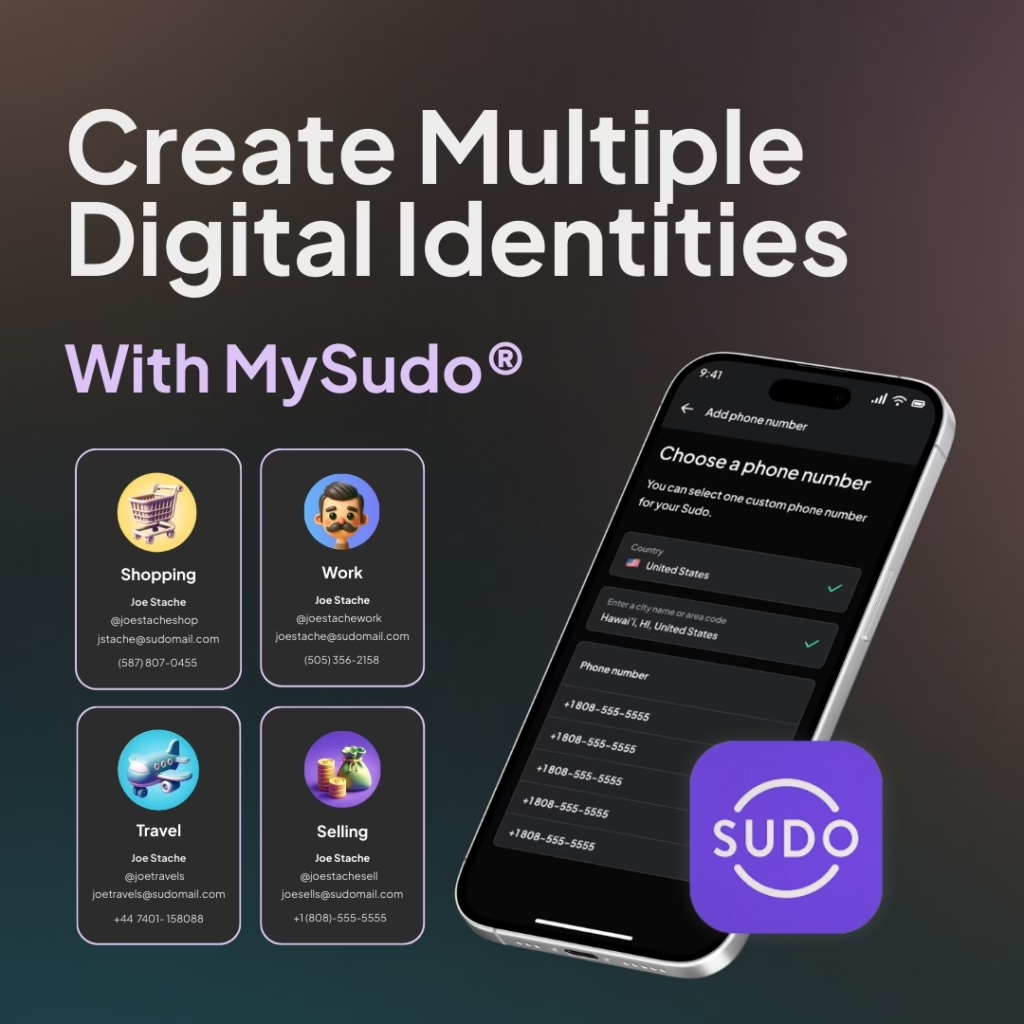
This is where a new approach becomes necessary. Not just blocking signals but separating identities with MySudo®.