Your data has a life beyond you
Most people assume their data stays with the companies they interact with. It doesn’t.
Behind the scenes, your information is collected, combined, and sold by an entire industry most people never directly interact with: data brokers.
These companies don’t just track what you do, they build detailed profiles about who you are, what you want, and what you’re likely to do next. Your data isn’t just collected. It’s aggregated, enriched, and resold.
Data brokers are companies that:
They operate largely in the background, often without direct interaction with you.
Data brokers don’t rely on a single source, they pull from everywhere. Common data sources include:
Each source provides a fragment. Together, they create a highly detailed picture. Individually, pieces of data may seem harmless. But data brokers specialize in combining them:
All linked into a single, persistent profile. This is what makes the data valuable. The more connected your identity is, the more valuable your data becomes.
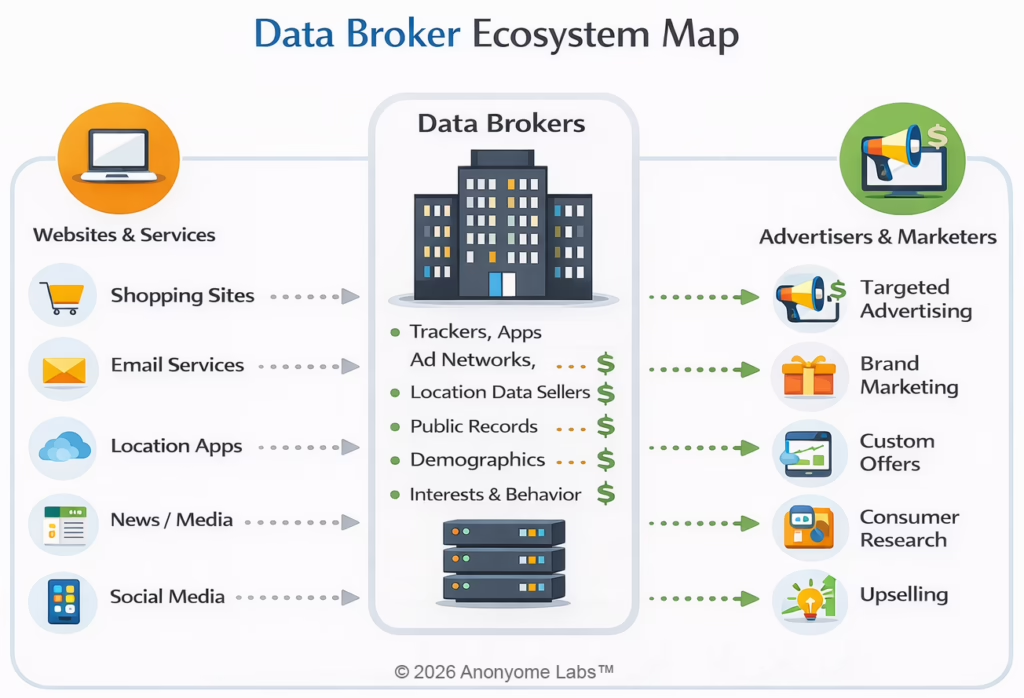
Once profiles are created, they are:
This can happen repeatedly across multiple companies. Your data isn’t sold once, it’s part of a continuous marketplace.
This ecosystem doesn’t just affect ads, it affects outcomes.
Even if you:
Your information may still exist:
Once data is aggregated, it becomes difficult to fully unwind.
Data brokers don’t just want data. They want connected data.
That’s what allows them to build rich, valuable profiles.
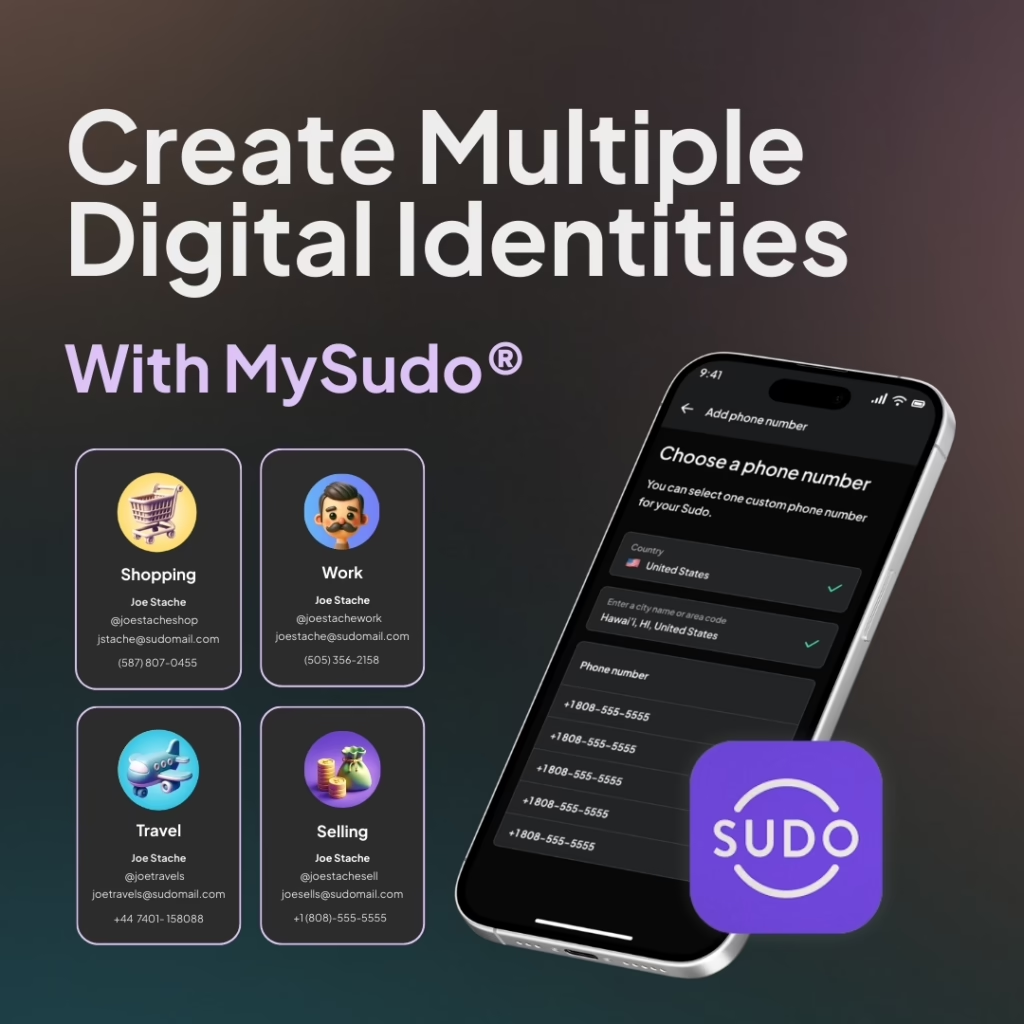
You can’t fully stop data collection. But you can reduce its usefulness. By breaking the connections between your activities. When identities are separated:
Fragmented identities lead to fragmented data and fragmented data is far less valuable. The best way to fragment this data is with MySudo®, an easy-to-use data privacy app that helps you compartmentalize all your online activity. Click here to learn more.